F-16C Block 50
F-16C Fighting Falcon
A multirole fighter built in more than 4,600 examples and flown by over twenty air forces. It proved that "good enough and affordable" outlasts "best performing".
- Origin
- United States
- Status
- In Service
- First flight
- 1984-06-19
- Introduced
- 1984-07
- Manufacturer
- Lockheed Martin · General Dynamics (original developer)
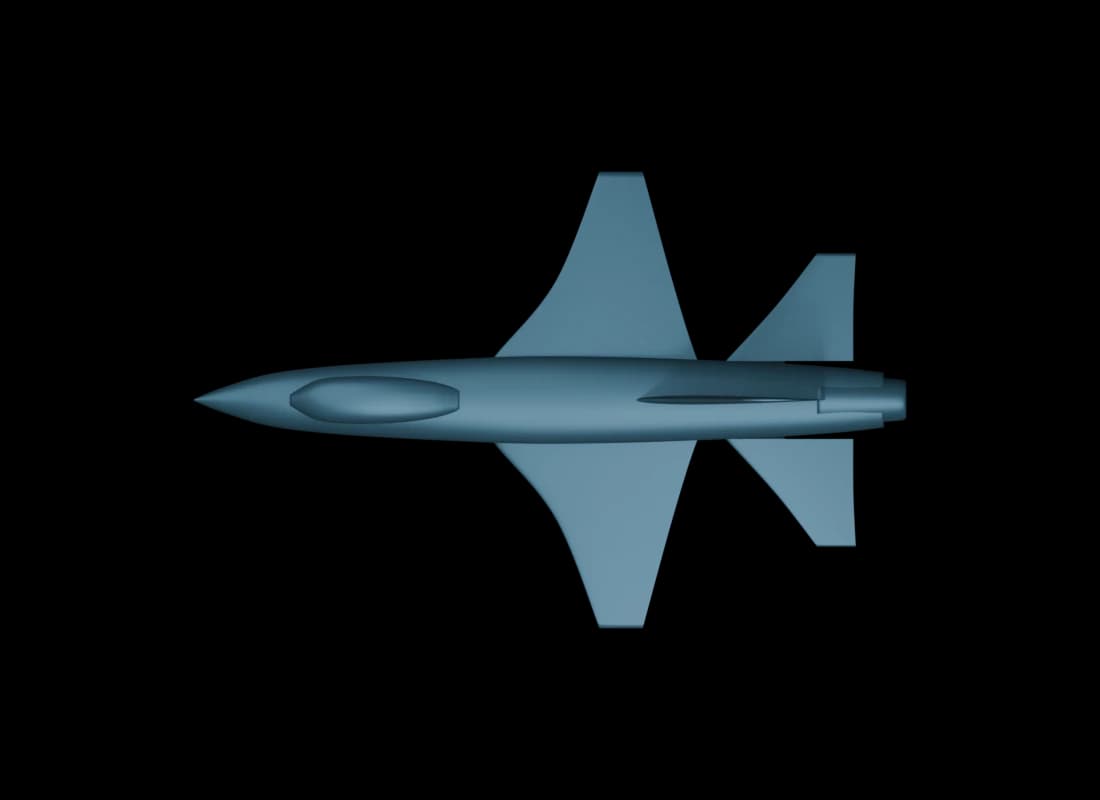
Overview
The F-16 came out of the 1970s Lightweight Fighter programme, originally conceived as a cheap, simple, day fighter optimised for close-in combat — a supplement to the expensive F-15 rather than a replacement. It became something else entirely: a multirole platform able to carry almost every U.S. air-to-surface weapon, built in more than 4,600 examples and flown by over twenty air forces.
The F-16C is the second-generation production standard from 1984, adding a better radar, fuller air-to-ground capability, and a choice of engines. Block 50/52 is the most common configuration in service today.
When comparing it against fifth-generation types, the number that matters most is not any performance figure but the fact that it is still in production. The F-22 line closed in 2009 after 187 aircraft; the F-16 line has not stopped since 1978.
Design
The F-16 was the first production fighter deliberately built to be aerodynamically unstable — its centre of gravity sits behind the aerodynamic centre, and only a fly-by-wire system correcting dozens of times a second keeps it controllable. That bought exceptional manoeuvre response, and turned fly-by-wire from an experiment into the standard for every fighter since.
A blended wing-body with large leading-edge extensions generates vortex lift; combined with a seat reclined 30° and a side-mounted control stick, it lets the pilot sustain 9 g. The bubble canopy gives near-unobstructed vision, a genuine advantage in a visual fight.
The fixed ventral inlet works well at high angles of attack. But that inlet, along with the rounded fuselage, the exposed engine fan face, and a full external weapons load, mean radar signature was simply not among this aircraft's design goals. That is not a flaw — it is what the priorities of the 1970s looked like.
Timeline
YF-16 first flight
The first flight was unplanned: an oscillation during a high-speed taxi test led the pilot to take off rather than risk destroying the aircraft.
F-16A enters service
First major combat employment
Israeli Air Force F-16As took part in the strike on the Osirak reactor in Iraq.
F-16C first flight
First Block 70/72 rolls out
Fitted with an AESA radar and new avionics; production moved to Greenville, South Carolina, and output grew again after more than four decades.
Variants
- F-16A/BRetired
Single-seat A and two-seat B — the original day-fighter configuration with limited radar and weapons capability.
- F-16C/DIn Service
The mainstay in service, upgraded through Blocks 25 to 52 with substantially improved radar, engines, and weapons.
- F-16V / Block 70/72In Service
Fitted with the AN/APG-83 AESA and a new mission computer. Still taking orders, with deliveries scheduled into the 2030s.